

WEBSITE FEATURES EVERY TOURISM BUSINESS NEEDS TO CONVERT

WEBSITE FEATURES EVERY TOURISM BUSINESS NEEDS TO CONVERT Conversion is not about more visitors—it is about better website functionality. A tourism website’s success is not measured by how it looks, but by how effectively it turns visitors into bookings. Many tourism businesses invest in design but miss critical features that support decision-making and trust. At Tourism Web Solution, we consistently find that conversion issues are not caused by lack of traffic, but by missing or poorly implemented website features. A high-converting tourism website is built with user behavior, clarity, and action in mind. 1. CLEAR AND PROMINENT VALUE PROPOSITION Visitors should immediately understand what you offer, where you operate, and why they should book with you. A strong value proposition placed above the fold reduces confusion and sets expectations. When users instantly grasp the benefit of your service, they are far more likely to continue exploring and booking. 2. SIMPLE AND TRANSPARENT BOOKING SYSTEM A booking system should feel effortless. Complicated steps, unclear pricing, or hidden availability increase abandonment. Tourism websites must offer a booking experience that is fast, secure, and easy to understand on both desktop and mobile. The fewer barriers between interest and confirmation, the higher the conversion rate. 3. MOBILE-OPTIMIZED DESIGN AND PERFORMANCE Most tourism searches and bookings happen on mobile devices. If your website is slow, cluttered, or difficult to navigate on mobile, conversions drop immediately. Mobile optimization is not just about layout—it includes load speed, tap-friendly buttons, and smooth booking forms. 4. STRONG TRUST AND CREDIBILITY SIGNALS Travelers need reassurance before committing. Reviews, testimonials, security indicators, clear policies, and visible contact information reduce uncertainty. Websites that establish trust early experience fewer objections and higher booking confidence. Key trust elements include: 5. HIGH-QUALITY VISUALS SUPPORTED BY CLARITY Images attract attention, but clarity closes the sale. Photos should support well-written descriptions that explain what the experience includes, how long it lasts, and what travelers should expect. Visuals and content must work together to remove doubt, not create it. 6. CLEAR CALLS-TO-ACTION ON EVERY KEY PAGE Every important page should guide visitors toward a next step. Whether it’s “Check Availability,” “Book Now,” or “View Tours,” calls-to-action must be visible, consistent, and easy to understand. Weak or hidden CTAs cause hesitation and missed opportunities. 7. LEAD CAPTURE AND FOLLOW-UP MECHANISMS Not every visitor books immediately. Features like email capture, inquiry forms, and retargeting integrations allow you to follow up with interested users. Capturing leads ensures potential customers are not lost after a single visit. WHY TOURISM WEBSITES FAIL TO CONVERT (AND HOW TOURISM WEB SOLUTION BUILDS THEM RIGHT) Tourism websites fail when essential conversion features are missing or poorly integrated. At Tourism Web Solution, we design tourism websites that combine usability, trust, and performance—ensuring visitors feel confident and motivated to book. A converting website is not an accident—it is built with purpose.
WHY TOURISM WEBSITES DON’T CONVERT TRAFFIC INTO BOOKINGS

WHY TOURISM WEBSITES DON’T CONVERT TRAFFIC INTO BOOKINGS CONVERSION FAILURE IS NOT A TRAFFIC PROBLEM—IT IS A WEBSITE PROBLEM. Many tourism businesses assume that low bookings mean low traffic. In reality, the problem is often the opposite—websites receive visitors but fail to convert them into paying customers. Traffic without conversions is wasted potential. At Tourism Web Solution, we frequently analyze tourism websites that attract visitors through SEO or ads but still struggle to generate bookings due to structural and strategic gaps in their website experience. 1. UNCLEAR VALUE PROPOSITION Visitors need immediate clarity on what you offer and why they should choose you. When websites use vague messaging, generic headlines, or overloaded sliders, users don’t understand the benefit of booking. Without a clear value proposition, visitors hesitate and leave without taking action. 2. COMPLICATED OR CONFUSING BOOKING FLOW A long or unclear booking process kills conversions. When availability, pricing, or booking steps are hard to understand, users abandon the process. Tourism websites must make booking feel simple, safe, and fast—especially on mobile devices. 3. LACK OF TRUST-BUILDING ELEMENTS Travelers are cautious when booking online. Missing reviews, unclear cancellation policies, or lack of contact information create doubt. Without trust signals, even interested users hesitate to commit. Common trust gaps include: 4. POOR MOBILE EXPERIENCE Most tourism traffic is mobile, yet many websites are still designed desktop-first. Small text, slow loading, broken layouts, or hard-to-use booking forms instantly reduce conversions. A mobile-friendly website is essential, not optional. 5. INFORMATION OVERLOAD OR MISSING DETAILS Some websites overwhelm users with too much information, while others provide too little. Both extremes hurt conversions. Visitors need clear tour details, inclusions, duration, pricing, and expectations presented in a structured, easy-to-scan format. 6. WEAK OR HIDDEN CALLS-TO-ACTION If visitors don’t know what to do next, they won’t do anything. Booking buttons that are hard to find, unclear, or inconsistent across pages reduce action. Strong calls-to-action guide users confidently toward booking. 7. NO FOLLOW-UP FOR UNCONVERTED VISITORS Not every visitor is ready to book immediately. Websites that lack retargeting, email capture, or reminders lose potential customers forever. Capturing interest and following up can significantly improve overall conversion rates. WHY CONVERSION OPTIMIZATION FAILS (AND HOW TOURISM WEB SOLUTION FIXES IT) Tourism websites don’t fail because people aren’t interested—they fail because the experience doesn’t guide users toward action. At Tourism Web Solution, we optimize tourism websites to remove friction, build trust, and convert traffic into consistent bookings. A successful tourism website doesn’t just attract visitors—it converts them.
TOURISM WEBSITE DESIGN TIPS THAT TURN VISITORS INTO BOOKINGS

TOURISM WEBSITE DESIGN TIPS THAT TURN VISITORS INTO BOOKINGS A GOOD WEBSITE DOES NOT JUST INFORM—IT CONVERTS. A tourism website is not a brochure—it is a sales tool. Many tourism businesses invest heavily in visuals but overlook structure, clarity, and user flow. As a result, visitors browse but don’t book. At Tourism Web Solution, we regularly audit tourism websites that look attractive yet fail to convert because they are built for aesthetics, not user behavior. A well-designed tourism website guides visitors smoothly from interest to action. 1. CLEAR MESSAGING ABOVE THE FOLD Visitors decide within seconds whether to stay or leave. Your homepage must immediately communicate what you offer, where you operate, and why you are worth booking. Vague headlines, sliders with no context, or hidden value propositions confuse users and increase bounce rates. 2. SIMPLE NAVIGATION THAT REDUCES CONFUSION Tourism websites often overload menus with too many options. When users struggle to find tours, pricing, or booking details, they leave. Clear navigation helps visitors explore confidently and keeps them focused on booking-related pages instead of getting lost. 3. MOBILE-FIRST DESIGN IS NON-NEGOTIABLE Most travelers browse and book on mobile devices. A website that looks good on desktop but performs poorly on mobile loses bookings instantly. Buttons must be easy to tap, text must be readable, and booking forms must work seamlessly on smaller screens. 4. STRONG VISUALS SUPPORTED BY CLARITY Photos attract attention, but clarity closes the sale. Each page should balance visuals with concise explanations, tour details, inclusions, and expectations. Visitors should never wonder what they are booking or what happens next. 5. FAST LOADING SPEED IMPROVES TRUST AND SEO Slow websites kill conversions. Large images, heavy animations, and unoptimized plugins increase load time. Fast-loading websites keep users engaged longer and perform better on Google, especially for tourism-related searches. 6. VISIBLE CALLS-TO-ACTION ON EVERY KEY PAGE Every important page should guide visitors toward a next step—view tours, check availability, or book now. Weak or hidden calls-to-action cause hesitation. Clear, visible buttons improve conversion rates without aggressive selling. 7. TRUST SIGNALS THAT REMOVE BOOKING DOUBT Travelers need reassurance before booking. Reviews, testimonials, safety information, clear policies, and contact details reduce uncertainty. Websites that build trust early convert better and generate fewer pre-booking questions. WHY TOURISM WEBSITES FAIL TO CONVERT (AND HOW TOURISM WEB SOLUTION FIXES IT) Tourism websites fail not because demand is low, but because design decisions are not aligned with traveler behavior. At Tourism Web Solution, we design and optimize tourism websites that balance aesthetics with performance—ensuring clarity, speed, and conversion at every stage. A tourism website should not just look good—it should work hard for your business.
LOCAL SEO FOR TOUR OPERATORS: A PRACTICAL GUIDE

LOCAL SEO FOR TOUR OPERATORS: A PRACTICAL GUIDE LOCAL SEO IS NOT ABOUT MORE TRAFFIC—IT IS ABOUT BETTER TRAFFIC. Local SEO is one of the most powerful growth channels for tour operators because it connects your business with travelers who are actively searching for experiences in a specific location. Unlike broad marketing efforts, local SEO targets people who already know where they are going and are close to making a booking decision. At Tourism Web Solution, we see tour operators gain consistent, high-quality bookings simply by improving how they appear in local search results and Google Maps. 1. UNDERSTAND HOW TRAVELERS SEARCH LOCALLY Tour operators often underestimate how specific travel searches are. Most travelers search using location-based phrases combined with experiences, timing, or intent. Searches like “guided tours in [city],” “things to do near me,” or “best local experiences in [destination]” indicate strong booking intent. Local SEO works when your website and online listings clearly match these real-world search behaviors. SEO failure is rarely about competition; it’s usually about fundamentals being ignored. 2. OPTIMIZE YOUR GOOGLE BUSINESS PROFILE COMPLETELY Key areas to maintain include: Your Google Business Profile is the foundation of local visibility. An incomplete or outdated profile weakens rankings and trust. Accurate categories, descriptions, services, photos, and contact details help Google understand what you offer and where you operate. A well-optimized profile increases map visibility, calls, and website visits from high-intent travelers. 3. USE LOCATION-FOCUSED WEBSITE CONTENT Local SEO cannot succeed without strong website support. Your website should clearly communicate your service areas, destinations, and local relevance. Pages that mention specific locations naturally, explain local experiences, and provide helpful information perform better in search results. Generic content without local context struggles to rank. 4. CONSISTENT BUSINESS INFORMATION BUILDS TRUST Google relies on consistency across the web. If your business name, address, or phone number differs across directories, social platforms, and listings, trust drops. Consistent information strengthens local authority and improves ranking stability. Even small inconsistencies can weaken visibility over time. 5. REVIEWS DIRECTLY IMPACT LOCAL RANKINGS AND BOOKINGS Reviews influence both Google rankings and traveler decisions. Regular, authentic reviews signal trustworthiness and activity. Responding to reviews—positive or negative—shows engagement and professionalism. Tour operators with strong review profiles often outperform competitors, even with smaller marketing budgets. 6. LOCAL BACKLINKS AND PARTNERSHIPS MATTER Links from local websites, tourism boards, blogs, and partners strengthen local authority. These links signal relevance and credibility to search engines. Collaborating with hotels, travel blogs, or destination guides helps improve visibility while also expanding referral traffic. 7. TRACK PERFORMANCE AND ADAPT REGULARLY Local SEO is not static. Rankings change based on competition, seasonality, and traveler behavior. Monitoring search performance, map visibility, and engagement metrics allows tour operators to adjust strategy before visibility declines. Businesses that track and adapt stay visible longer. WHY LOCAL SEO FAILS (AND HOW TOURISM WEB SOLUTION MAKES IT WORK) Local SEO fails when it is treated as a one-time setup instead of an ongoing system. At Tourism Web Solution, we help tour operators build sustainable local visibility by aligning Google Business optimization, website content, reviews, and performance tracking into one cohesive strategy. Local SEO doesn’t just increase visibility—it puts your tours in front of travelers who are ready to book.
WHY TOURISM BUSINESSES LOSE GOOGLE VISIBILITY OVER TIME

WHY TOURISM BUSINESSES LOSE GOOGLE VISIBILITY OVER TIME GOOGLE VISIBILITY IS NOT LOST BY ACCIDENT—IT IS LOST THROUGH INACTION. Many tourism businesses rank well on Google at one point, only to see their visibility slowly decline. This drop rarely happens overnight, which is why it often goes unnoticed until traffic and bookings are already affected. Google visibility is not permanent—it must be maintained through consistency, relevance, and adaptation. At Tourism Web Solution, we frequently audit tourism websites that once performed well but lost rankings due to neglected SEO fundamentals rather than increased competition. 1. OUTDATED CONTENT THAT NO LONGER MATCHES SEARCH INTENT Search behavior changes constantly. Travelers search differently today than they did a year ago. Tourism websites that rely on outdated pages, old tour descriptions, or expired information slowly lose relevance in Google’s eyes. When content is not updated to reflect current traveler intent, Google prioritizes fresher, more accurate competitors. SEO failure is rarely about competition; it’s usually about fundamentals being ignored. 2. INCONSISTENT WEBSITE UPDATES AND CONTENT GAPS Websites that stop publishing or updating content send negative freshness signals. Google favors active websites that continue to provide value. In tourism, where destinations, seasons, and experiences evolve, inactivity causes rankings to decline over time—even if the website once performed well. 3. TECHNICAL SEO ISSUES THAT BUILD UP SILENTLY Many tourism websites accumulate technical problems without realizing it. Broken links, slow page speed, poor mobile performance, and indexing issues quietly damage visibility. These problems often emerge after theme updates, plugin changes, or new integrations—especially booking systems and third-party tools. Common technical issues include: 4. WEAKENING LOCAL SEO SIGNALS Local SEO requires maintenance. Inconsistent business information, outdated Google Business Profiles, missing reviews, or reduced engagement weaken local rankings. Tourism businesses that neglect local SEO gradually lose visibility in Maps and local search results, even if their services remain strong. 5. INCREASED COMPETITION WITHOUT STRATEGIC RESPONSE The tourism industry becomes more competitive every year. New operators, better-optimized websites, and aggressive content strategies push older sites down the rankings. Businesses that fail to adapt or improve their SEO strategy lose ground—not because they got worse, but because others got better. 6. DEPENDENCE ON ONE-TIME SEO SETUPS Many businesses treat SEO as a one-time project rather than an ongoing system. Initial optimization may bring results, but without continued monitoring and improvement, visibility fades. Google rewards sustained effort, not temporary compliance. 7. POOR USER ENGAGEMENT SIGNALS Google evaluates how users interact with your website. High bounce rates, low time on page, and poor mobile experience indicate low satisfaction. Tourism websites that don’t improve usability or content depth gradually lose trust and rankings. WHY GOOGLE VISIBILITY DECLINES (AND HOW TOURISM WEB SOLUTION PREVENTS IT) Losing Google visibility is rarely about sudden penalties—it’s about neglect. SEO requires ongoing refinement, technical upkeep, and content alignment. At Tourism Web Solution, we help tourism businesses protect and rebuild their online visibility through consistent optimization, performance monitoring, and strategy updates. Google visibility doesn’t disappear—it fades when it’s not actively supported.
HOW GOOGLE MAPS VISIBILITY DRIVES TOURISM BOOKINGS
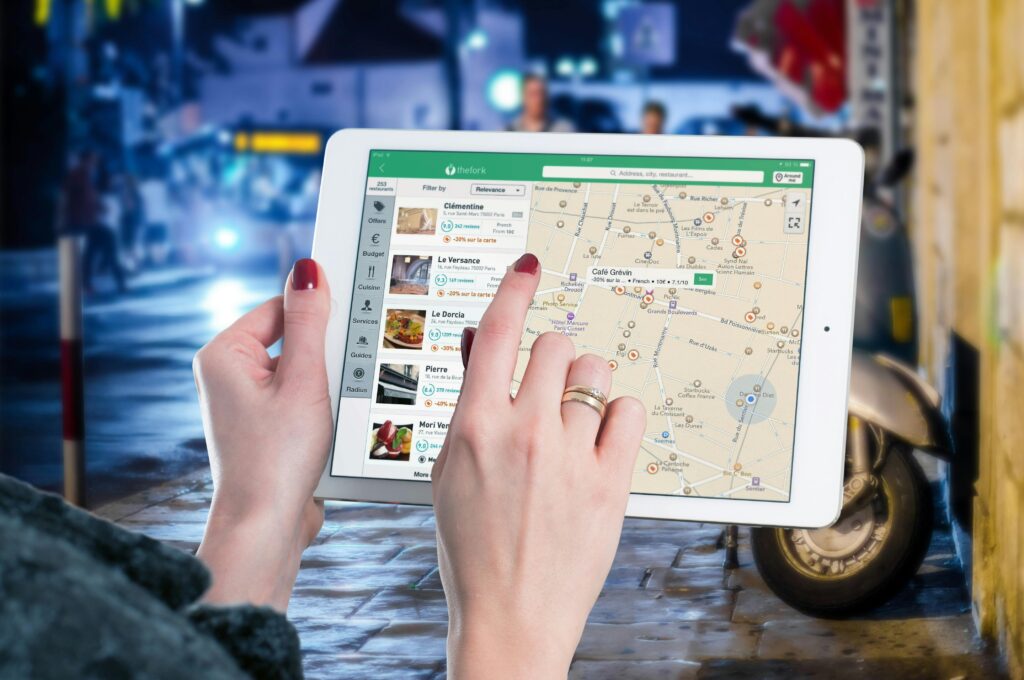
HOW GOOGLE MAPS VISIBILITY DRIVES TOURISM BOOKINGS GOOGLE MAPS IS NOT JUST A NAVIGATION TOOL—IT IS A POWERFUL BOOKING ENGINE. When travelers search for tours, activities, or holiday rentals, Google Maps is often their first decision-making tool. People trust map results because they show nearby options, real reviews, and instant directions—all in one place. For tourism businesses, strong Google Maps visibility can mean the difference between consistent bookings and being completely overlooked. At Tourism Web Solution, we see businesses rank well on websites but still lose bookings simply because their Maps presence is weak or poorly optimized. 1. WHY TRAVELERS TRUST GOOGLE MAPS RESULTS Google Maps listings appear highly credible because they combine location, reviews, photos, and business information in a single view. Travelers often make quick decisions based on proximity, ratings, and visibility on the map. When your tourism business appears prominently, it benefits from instant trust and reduced comparison friction, especially for last-minute or on-the-go travelers.SEO failure is rarely about competition; it’s usually about fundamentals being ignored. 2. MAP VISIBILITY CAPTURES HIGH-INTENT SEARCHES Map searches usually come from users who are close to booking. Searches like “tours near me,” “things to do nearby,” or “best activities in [location]” indicate immediate intent. Appearing in these results places your business directly in front of users who are already looking to act, not just browse. Key high-intent signals include: 3. GOOGLE BUSINESS PROFILE OPTIMIZATION IMPACTS BOOKINGS Your Google Business Profile directly controls how your business appears on Maps. Incomplete or outdated profiles reduce visibility and trust. Fully optimized profiles—with accurate categories, descriptions, photos, services, and hours—rank higher and convert better. Strong profiles help: 4. REVIEWS PLAY A CRITICAL ROLE IN MAP PERFORMANCE Reviews influence both rankings and traveler decisions. Google prioritizes listings with frequent, authentic reviews, and travelers rely heavily on ratings before booking. A steady review strategy not only improves visibility but also acts as social proof that reduces booking hesitation. Positive review signals include: 5. LOCAL RELEVANCE AND PROXIMITY MATTER MORE THAN BRAND SIZE On Google Maps, large brands don’t always win. Local relevance, proximity, and optimization often outweigh brand recognition. This creates a major opportunity for small and mid-sized tourism businesses to compete effectively without massive advertising budgets.Businesses that clearly communicate: 6. PHOTOS AND ACTIVITY UPDATES INCREASE ENGAGEMENT Map listings with updated photos and regular activity outperform static listings. Visuals and updates signal that a business is active and trustworthy. Travelers browsing Maps often click on listings with engaging photos before even visiting websites. 7. TRACK VISIBILITY AND CONTINUOUSLY OPTIMIZE Most tourism businesses claim their profile but never optimize or maintain it. Missing categories, inconsistent contact details, no updates, and ignored reviews weaken visibility. Google Maps rewards consistency and engagement, not just presence. HOW TOURISM WEB SOLUTION IMPROVES GOOGLE MAPS VISIBILITY Google Maps success requires strategy, not luck. At Tourism Web Solution, we help tourism businesses optimize and manage their Google Maps presence to increase visibility, trust, and bookings. We support businesses by: When done correctly, Google Maps becomes one of the most reliable sources of high-intent tourism bookings—not just a place to be found.
HOW SEO AND GOOGLE VISIBILITY HELPS TOUR OPERATOR

HOW SEO AND ONLINE VISIBILITY TURN TOURISM WEBSITES INTO BOOKING MACHINES SEO and Google visibility are not OPTIONAL-They are Business Growth Tools SEO and Google visibility are no longer optional add-ons for tourism businesses—they are essential business growth tools. Travelers actively search online for tours, experiences, and accommodations, and the businesses that appear prominently in search results capture the majority of attention, trust, and bookings. Strong SEO ensures your website is visible at the exact moment potential customers are ready to plan or book, while consistent Google visibility builds credibility over time. Without a clear SEO strategy, even the best tour products and services remain hidden, limiting growth and forcing businesses to rely heavily on paid ads or third-party platforms. When SEO and Google visibility are treated as long-term growth systems rather than short-term tactics, they create a steady stream of qualified traffic, stronger brand authority, and more predictable bookings. 1. WHY MOST TOURISM WEBSITES DON’T RANK ON GOOGLE Many tourism websites are visually appealing but technically weak. Search engines don’t rank websites based on design alone; they rank clarity, relevance, structure, and authority. Common issues include poorly written content, missing location signals, slow page speed, and no clear keyword strategy. When Google cannot identify what a website offers, where it operates, and who it serves, visibility drops—no matter how good the business actually is.SEO failure is rarely about competition; it’s usually about fundamentals being ignored. 2. BUILD TOPICAL AUTHORITY WITH PURPOSEFUL CONTENT Google rewards websites that demonstrate expertise over time. Publishing isolated blog posts is not enough. Tourism websites must create content clusters around destinations, services, and experiences to signal authority. Detailed guides, service explanations, and travel-related insights help search engines recognize your website as a reliable resource rather than just another listing. 3. OPTIMIZE FOR LOCAL SEARCH AND MAP VISIBILITY For tourism businesses, local SEO directly impacts bookings. Google prioritizes location relevance for tours, rentals, and activities. A fully optimized Google Business Profile, consistent location information, and locally focused website content increase your chances of appearing in map results and nearby searches. Strong local visibility often converts faster than generic traffic because the intent is immediate. 4. IMPROVE WEBSITE STRUCTURE SO GOOGLE CAN UNDERSTAND IT Even the best content struggles if website structure is poor. Clear navigation, logical page hierarchy, internal linking, and proper URLs help search engines crawl and index your site efficiently. Tourism websites that are cluttered or confusing dilute SEO strength across pages, reducing overall visibility. 5. ENSURE FAST LOADING AND MOBILE PERFORMANCE Most travel searches happen on mobile devices. If your website loads slowly or displays poorly on smaller screens, users leave—and Google notices. Page speed, mobile optimization, and clean design are essential SEO factors. Strong performance improves rankings while also increasing engagement and booking potential. 6. USE ON-PAGE SEO TO STRENGTHEN EVERY PAGE Each page should have a clear purpose. Optimized titles, meta descriptions, headers, image alt text, and internal links help Google understand what your page offers. On-page SEO is not about stuffing keywords; it’s about clarity and relevance. Well-optimized pages rank more consistently and attract better-quality traffic. 7. TRACK VISIBILITY AND CONTINUOUSLY OPTIMIZE SEO is not a one-time task. Search trends, competition, and algorithms evolve constantly. Websites that monitor performance—such as keyword rankings, traffic behavior, and conversion paths—adapt faster and stay visible longer. Without tracking, growth stalls and opportunities are missed. WHY SEO FAILS FOR MANY TOURISM BUSINESSES (AND HOW TOURISM WEB SOLUTION FIXES IT) SEO doesn’t fail because demand is low—it fails because strategy is missing. When SEO is treated as an ongoing system rather than a checklist, online visibility becomes predictable and scalable. At Tourism Web Solution, we help tourism businesses build SEO strategies that improve rankings, strengthen visibility, and convert search traffic into real bookings. SEO is not about chasing algorithms—it’s about being found by the travelers already looking for you.